


We bring a puppy home and nurture it just like our babies, but sometimes, we get delayed or fail to understand what our babies tell us. Few things are more critical in our journey as pet parents than understanding our animal companions. Dogs are not just faithful companions; they are also highly communicative. Dog body language is their primary form of communication. It may enhance our link with dogs and assure their pleasure and well-being by learning to read the tiny indications and signals they offer us.
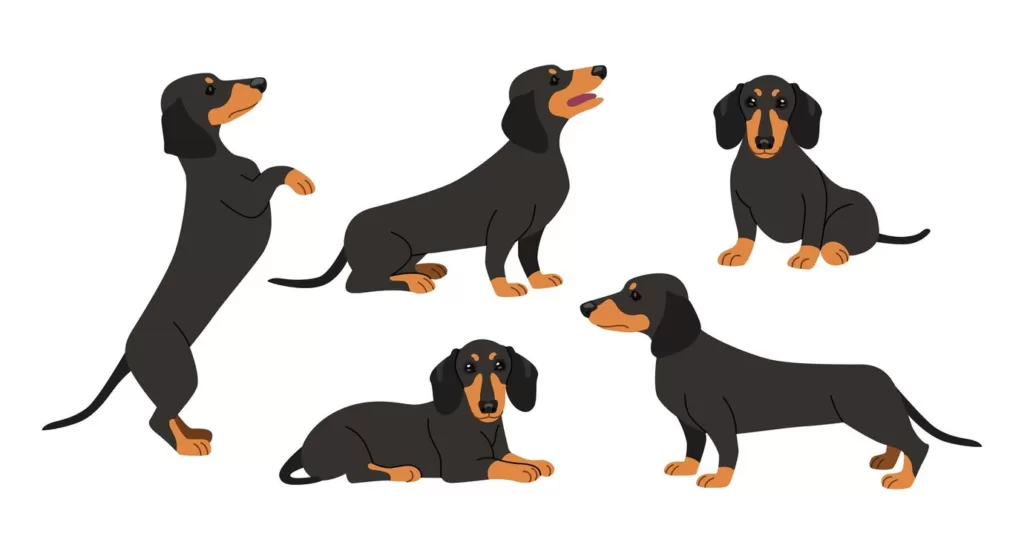
In this post, we’ll dig into the globe of a dog’s body language and look at how your canine pal attempts to communicate with you. So, let’s begin on an enthralling adventure to comprehend what language our dogs speak, thereby assisting you in becoming the most incredible pet parent you can be.
“Telemedicine article”: Should I Consider Veterinary Telemedicine Care For My Dog?
Why Dog Body Language Matters
Understanding dog body language is essential for enjoying the rewarding adventure of pet ownership. It promotes trust and companionship as a communication bridge between you and your four-legged friend. Here’s why it’s important:
Dogs do not speak our languages fluently, yet they communicate frequently through actions and expressions. You acquire insight into their feelings and needs by learning to read their body language, allowing you to respond properly. This skill is essential for forming a deep friendship based on mutual respect and compassion.
Furthermore, understanding dog body language is essential for improving your relationship and guaranteeing your dog’s well-being. It assists you in identifying symptoms of discomfort, worry, or pain that can be useful in resolving health issues quickly. Learning about dog body language improves how you interact with your canine partner, making it more gratifying and pleasant for both of you.
“Mammary Gland Cancer Article”: How to Detect Mammary Cancer in Dogs: 10 Signs
10 Signs of How Dogs Communicate
Dogs are amazing creatures with many methods to express their sentiments and emotions to their human counterparts. Dog body language is one of the critical ways that they express themselves. To properly understand your canine companion and form a strong bond, you must be able to decipher the signals they provide. In this post, we’ll look at dog body language and the subtle signs dogs use to communicate their feelings.

Tail Wagging
Tail-wagging is a standard dog body language signal that is frequently mistaken as an expression of enjoyment. It represents emotional excitation, which can be positive, negative, or neutral. The wag’s pace, direction, and position all provide hints. A gradual, side-to-side sweep indicates a relaxed dog, whereas a quick, twitch-like wag may signal increased excitement, potentially in a negative sense.
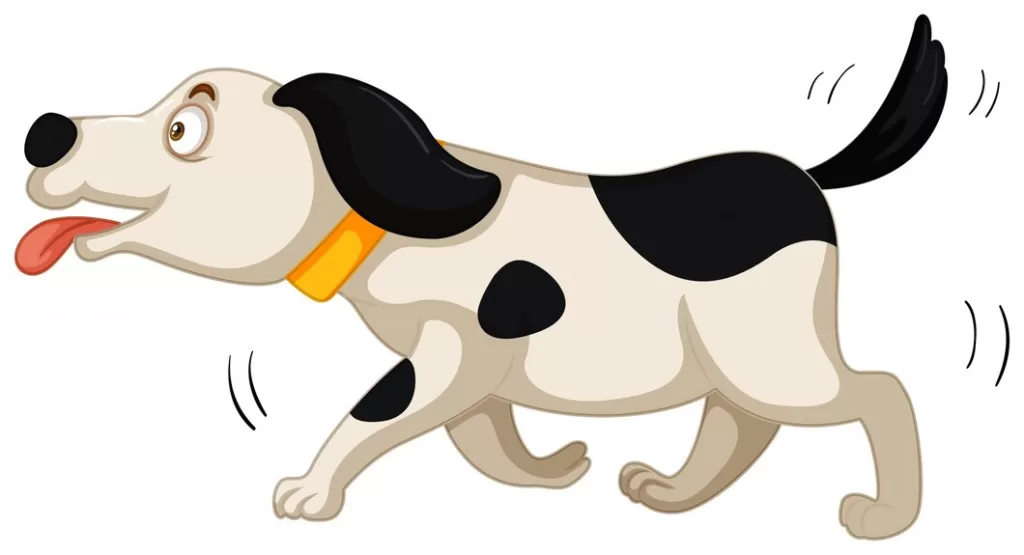
The direction of the wag is also essential; rightward wags frequently indicate happiness, but leftward wags may convey negative. The tail’s position about the ground is also crucial, with a higher tail expressing assertiveness and confidence and a lower tail signifying anxiety or tension. Understanding these nuances aids in determining a dog’s emotional state.
Giving you Eyes
The dog’s eyes are a powerful portal into their inner world. A comfortable and relaxed dog is revealed by soft, open eyes with a pleasant, squinting expression. On the other hand, hard eyes represent a negative state of mind, frequently associated with guarding belongings or thoughts of hostility. A dog’s intense, sustained look is a warning sign of a potential hazard.
Eye contact is significant in canine communication. While a strong stare may precede violent action, glancing away is a conscious attempt to defuse tension. When dogs are stressed or uncomfortable, they purposely avoid their gaze, which people may misinterpret as stubbornness or disinterest.

The whites of a dog’s eyes, known as the “whale eye,” reveal another important aspect of their emotions. When a dog shows the whites of their eyes, it indicates nervousness or tension, and it frequently occurs when they are unhappy or vulnerable, such as if an individual approaches while they are holding a prized treasure. Understanding the subtleties in a dog’s eye language is critical to developing a peaceful and empathic relationship with our four-legged friends.

Different Positioning of Ears
Ears are an essential part of canine communication because they reveal a dog’s emotional condition and level of engagement. When a dog’s ears are forward-facing, it indicates alertness and eagerness. They have completely absorbed and concentrated on something that has piqued their interest. However, when a dog’s ears flatten, it indicates fear or surrender. This action frequently occurs when a dog feels threatened or anxious, necessitating a cautious and attentive approach.
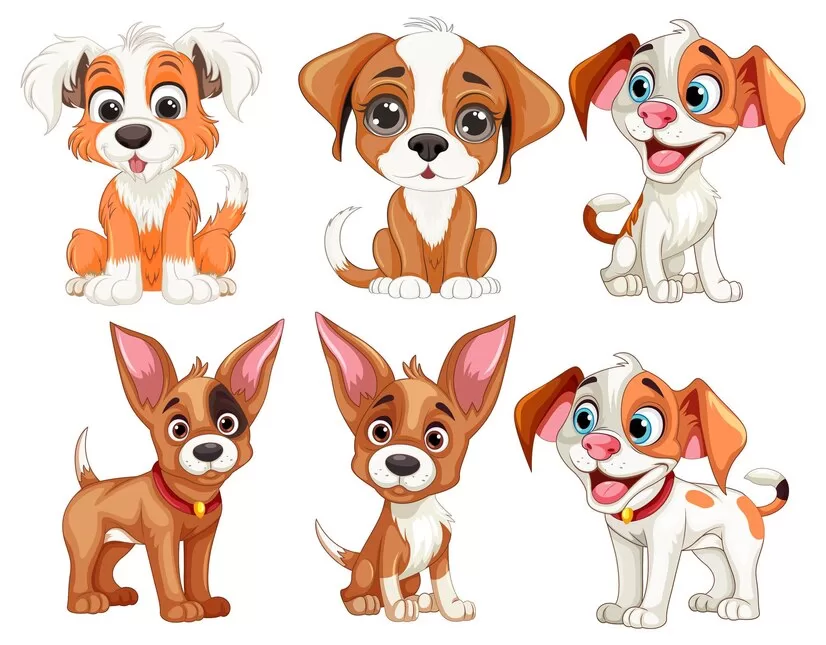
Certain breeds, such as German Shepherds and Doberman Pinschers, have naturally upright ears, contributing to an alert aspect. Breeds with naturally floppy ears, such as Basset Hounds and Bloodhounds, represent a more relaxed ear position inherent in their breed features. Recognizing these variations in ear language is essential for better comprehending and reacting to the requirements of your canine partner.
“Pancreatitis Article”: Can steroids cause Pancreatitis in dogs? Know 7 Important Things.
Lip Licking
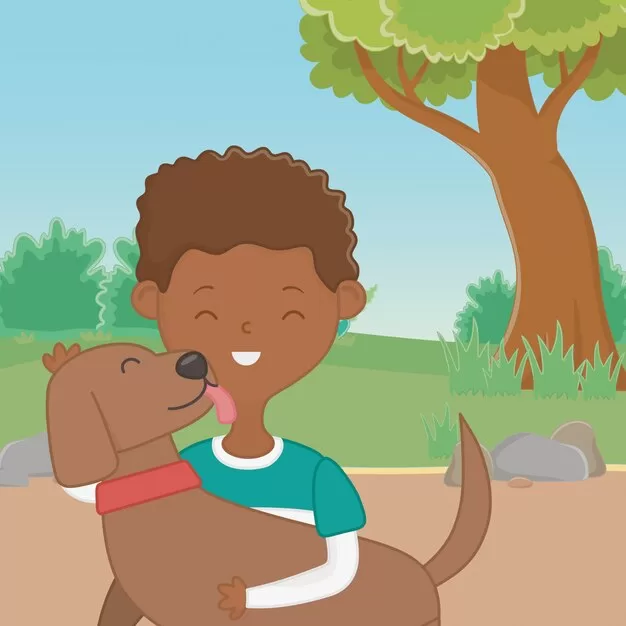
Lip licking in dogs, often known as an appeasement gesture or “calming signal,” is a subtle but important form of communication. It shows a dog’s emotional status, conveying stress or discomfort, especially when no food is around. When dogs lick their lips excessively, it can be seen as an attempt to self-soothe and communicate discomfort. This is a typical response to perceived danger, dissatisfaction, or perplexity. Recognizing these signs is critical, especially when introducing your dog to new situations or during training, as it provides insight into their emotional comfort and well-being.
Yawning
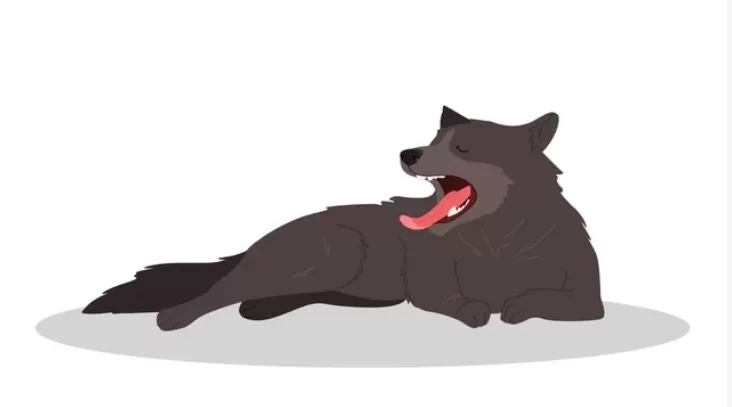
Yawning in dogs is an odd paradox—it does not indicate exhaustion but rather a reaction to anxiety or unease. When Sadie yawns, she’s not displaying tiredness; instead, she’s expressing her readiness for a perceived threat or unpleasant stimuli to pass. It’s as if she’s saying, “I wish this situation would resolve.” This is especially obvious in challenging circumstances or when dogs discover something unknown or frightening. Dog owners can use yawning to determine their pet’s emotional state and respond appropriately. It indicates that dogs communicate in various subtle ways, and recognizing these cues can help us assure their comfort and well-being when faced with circumstances that may cause tension or distress.
Paw Lifting: What Your Dog’s Gesture Signifies
When your pet raises a paw, it’s more than simply a cute quirk; it’s their method of communicating. This conduct frequently speaks doubt or serves as a covert plea for attention. It’s as if they’re expressing nonverbally, “I’m not sure about this” or “Hey, can you please pay attention to me?” Dogs may lift a paw when confronted with something new, unexpected, or slightly threatening. They’re looking for comfort or clarity from you.
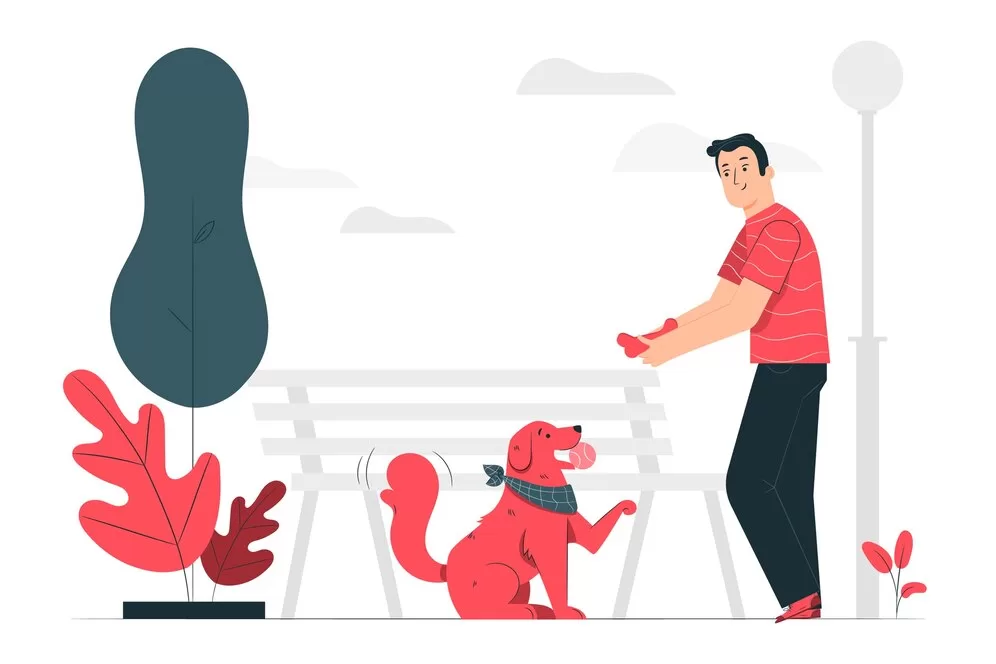
Attention to these subtle but significant movements is critical because they inform your dog’s emotions and needs. In certain situations, reacting with understanding and patience can improve your bond and make your dog feel more safe.
Body Posture
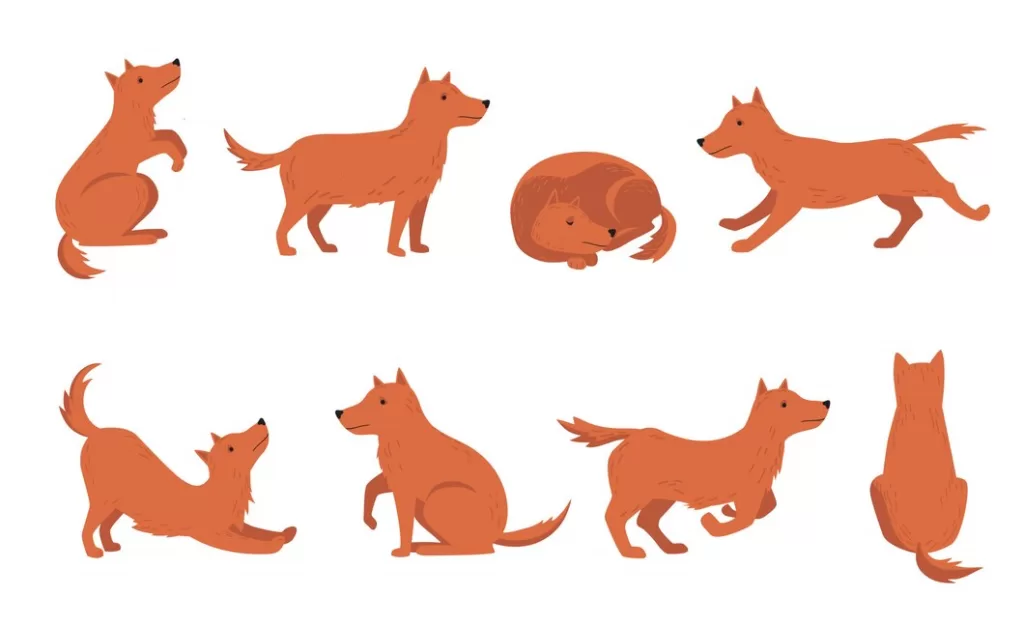
A dog’s body posture reveals much about his or her mental state and physical structure. An erect and confident stance often suggests a happy, content dog who exudes confidence. When a dog crouches or lowers their body, it indicates fear or submission. Breeds with stocky, muscular bodies, such as Boxers and Bulldogs, may have unusual postures. Still, Greyhounds and Salukis, built for speed and agility, have a more elongated, streamlined appearance. Understanding your dog’s posture, whether breed-specific or dependent on their emotional condition, allows you to respond accordingly and cultivate a harmonious and trusting relationship with your four-legged companion.
Barking
Barking, a fundamental dog body language, conveys many messages. Their barks’ tone and intensity constitute their language, reflecting their thoughts and emotions. When your dog barks with a strong, urgent tone, it’s often a signal of danger, attracting your attention to something out of the ordinary.
On the other hand, barking that comes accompanied by a playful, enthusiastic tone is a sign of excitement. Your dog is probably energetic and pleased, asking you to participate in the action. Persistent, high-pitched barking, on the other hand, can signify displeasure, implying that your dog is facing a barrier or impediment that needs your assistance.
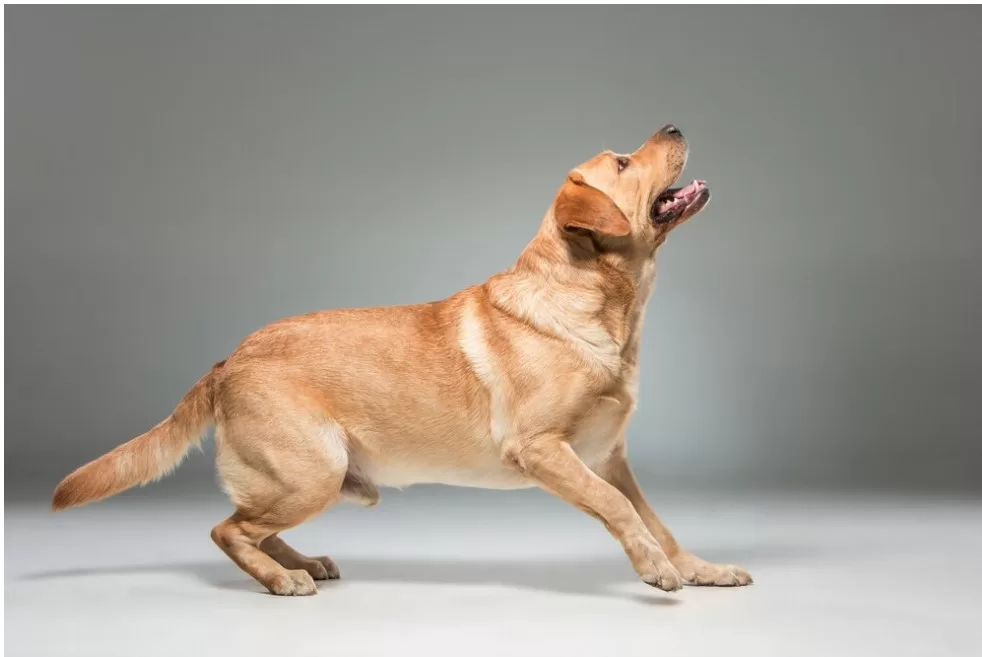
Understanding the subtleties of your dog’s barking enables you to respond appropriately and meet their demands. It’s similar to learning their language, improving your ability to converse with them successfully, and cultivating a strong, empathic link with your cherished canine partner.

Growling and Snarling
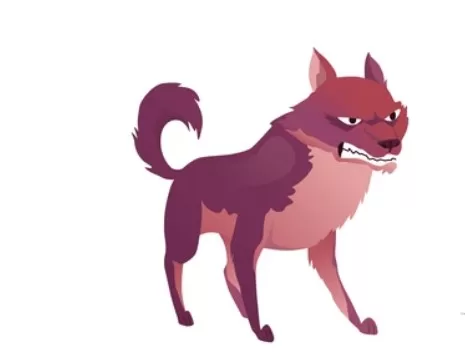
When a dog growls or snarls, it indicates that he or she is feeling threatened or aggressive. These vocalizations, frequently accompanied by telling body language such as ruffled fur and a stiff posture, are critical warning indications. Your dog is showing discomfort, asserting boundaries, or warning you of a potential threat. Understanding these signals is essential for responsible pet ownership. It enables you to respond effectively, avoiding possible situations and guaranteeing your safety as well as the well-being of your dog. Respect your dog’s communication, address underlying issues, and seek expert help to maintain a balanced and harmonious connection with your faithful companion.
Vocal Communication
While studying dog body language, it’s important to remember that a dog’s vocalizations, such as barking, growling, and whining, also play an essential role in their communication. These sounds have distinct meanings, but context is crucial in interpreting your dog’s intentions and feelings.
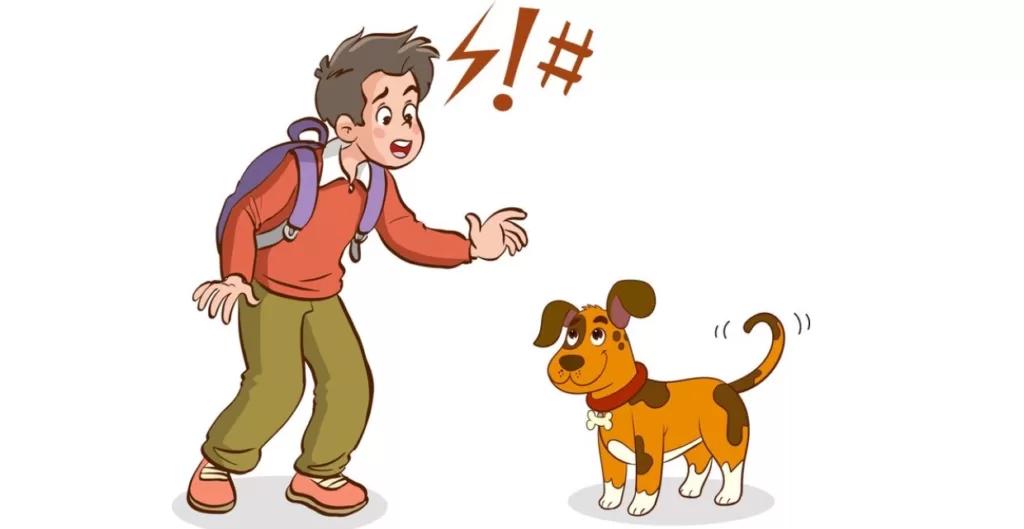
Understanding your dog’s body language is the foundation of a healthy, respectful, and caring connection. You can accurately discern their feelings and motives by closely examining their tail, ears, eyes, posture, and movements. Remember that each dog is unique, and while broad rules are helpful, getting to know your furry buddy and their quirks is essential. You’ll become fluent in the nuanced language of dogs with time, patience, and acute observation, building a deeper link and assuring a happier and healthier dog.
“Eczema in Dogs”: How To Manage Eczema In Hypoallergenic Dogs-8 Natural Ways.

What Your Dog Is Trying to Say?
Deciphering your dog’s message is similar to deciphering a secret code. Your pet’s emotions and intentions are communicated through various body language indicators. Here’s what your dog might be saying:
A. Playfulness and Excitement:
Seeing your dog being playful and energetic is nice. They’ll most likely have a wagging tail and an enthusiastic body position and may even bring you a toy, indicating their enthusiasm to participate in enjoyable activities. A traditional invitation to frolic is play bowing, in which they lower their front half while keeping their back end up. Their eyes will shine with delight, and you’ll frequently hear or see zoomies – those unexpected bursts of happy sprinting. Interacting with your dog during these times can benefit both of you.

B. Anxiety or Fear:
Anxiety or fear can show in a variety of ways. Your dog may exhibit symptoms such as trembling, cowering, or hiding. They may have lowered ears and avoid making eye contact. Whining, prolonged lip licking, and yawning are also possible. In such cases, providing your dog with a safe and reassuring environment is critical while avoiding putting them in uncomfortable situations. Identifying and treating the root cause of their nervousness is critical to assist them in restoring their confidence.
C. Aggression or Discomfort:
Aggression may be a protective response when a dog is scared or uncomfortable. A stiff stance, raised fur along their back, growling, and a stern, unyielding look are all signs of this. It’s critical to respect their limits and prevent further irritating them. Seeking professional help may be necessary if hostility becomes a recurring problem to address the underlying causes.
D. Contentment and Relaxation:
A content and comfortable dog exudes tranquillity. Their body position is usually neutral, with a wagging tail. Their comfort is communicated through soft, squinting eyes and possibly a slight sigh. Your dog may seek your company during these times, leaning against you or softly resting their head on your lap. Embrace these beautiful moments of peace because they represent your trust and deep link.
Understanding your dog’s indications allows you to respond correctly and maintain a loving relationship. It’s a journey of discovery, getting to know your one-of-a-kind furry companion and getting fluent in their silent language to guarantee a happy and rewarding life together.

Building a Strong Bond Through Communication
Understanding dog body language allows you to connect deeply and meaningfully with them. It’s like learning a silent, universal language that transcends words. Understanding the tiny indications your dog sends your way helps to build a relationship based on confidence, compassion, and respect.
You can precisely measure their feelings by analyzing their body language, whether fun, anxiousness, or contentment. This allows you to reply in ways that address their emotional needs, making them feel acknowledged and supported. When your dog realizes you ‘understand’ them, it builds their trust and reassures them that they can depend on you in various settings.
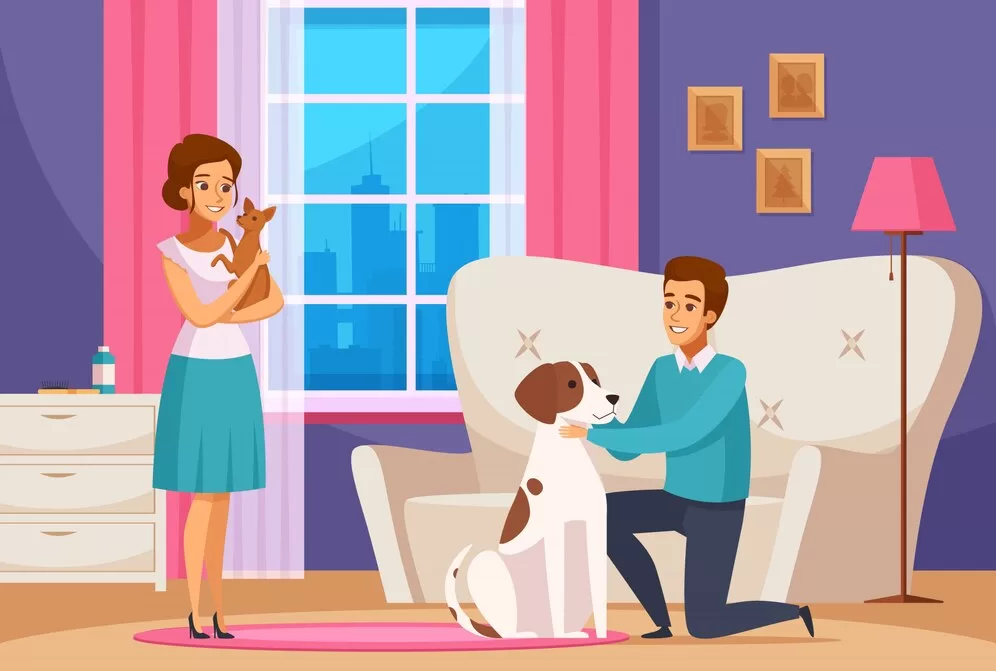
Furthermore, knowing their indications allows you to avoid misunderstandings and possibly stressful or deadly situations. You’ll know when to interfere, refocus their attention, or comfort them. This reinforces your position as their defender and confidant.
Finally, the tie you form through this common language improves the quality of your relationship, rendering your life together more full, harmonious, and, most importantly, loving. Understanding your dog’s nonverbal communication is the key to accessing a world of shared comprehension and a lifetime of happiness together.

Closing Remarks
Understanding and interpreting canine body language is essential to harmonious and meaningful human-dog relationships. It cultivates a bond based on empathy, trust, and efficient communication. We can respond to our animal friends’ emotional requirements, assuring their comfort and pleasure, by implementing the insights learned from this silent language. It’s a journey of exploration that strengthens our friendship with our canine companions. So, as you embark on this journey of comprehension, remember that your attempts to decipher your dog’s indications will not solely make you a better pet parent but will also provide your devoted companion with the love and care they need.
How does a dog communicate with a human?
Dogs communicate largely through body language, vocalizations, and scent, whereas humans communicate primarily through spoken and written language and nonverbal signs such as facial expressions and gestures. Understanding how these communication modes differ is critical for efficient human-canine connection.
What should I do if unsure about my dog’s body language?
Dogs communicate largely through body language, vocalizations, and scent, whereas humans communicate primarily through spoken and written language and nonverbal signs such as facial expressions and gestures. Understanding how these communication modes differ is critical for efficient human-canine connection.
Can all dogs communicate similarly, or does it vary by breed?
Dogs use universal body language cues to communicate, but the expression and magnitude of these messages differ by breed. Individual distinctions must be considered in addition to typical canine communication cues because breed-specific qualities can impact how they transmit emotions.